Home Guides
Who is Krampus?
Krampus is a horned, shaggy figure from Alpine folklore who travels with Saint Nicholas. Where Nicholas rewards good children, Krampus deals with the ones who misbehaved. Here is where he comes from and how people mark his night.
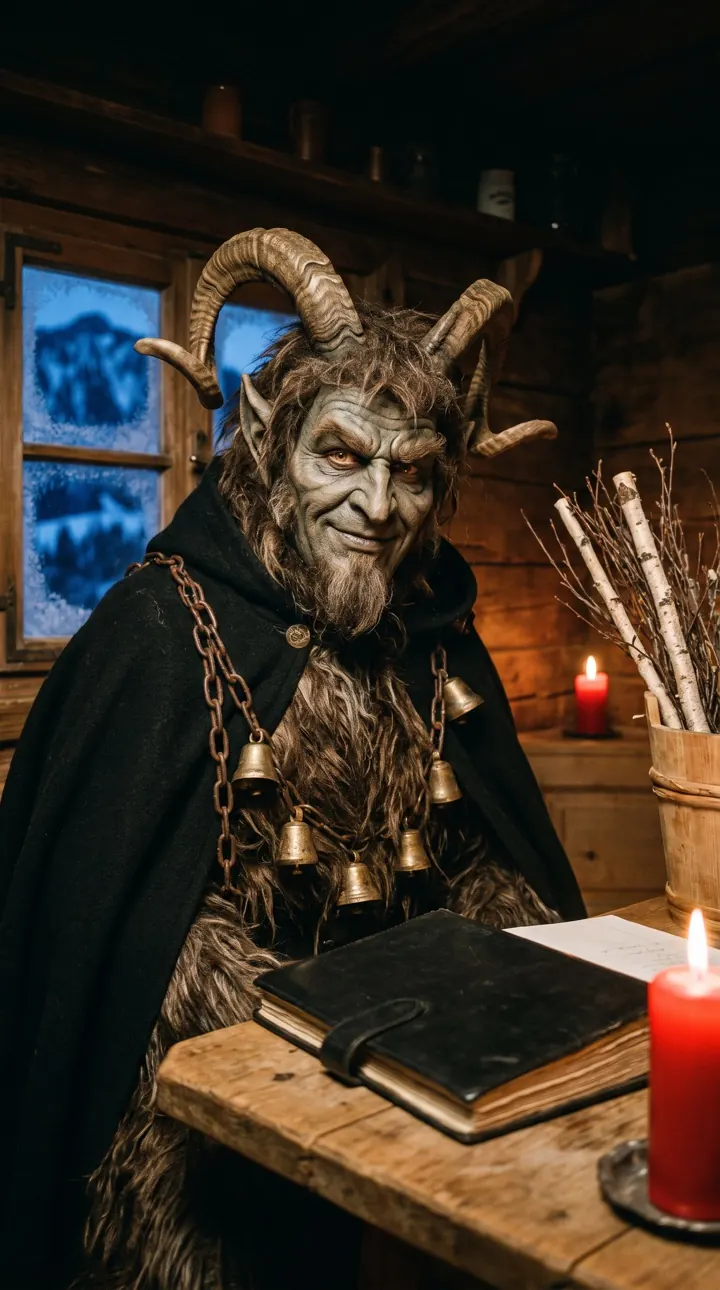
Where Krampus comes from
Krampus belongs to the winter customs of the Alps. He is best known in Austria, in Bavaria in southern Germany and in South Tyrol in northern Italy, with related traditions in neighboring regions.
His exact origins are old and hard to pin down. He is often described as a blend of older winter figures and the Christian customs around Saint Nicholas. His name is commonly linked to an old German word for claw.
Saint Nicholas and his dark companion
In the tradition, Saint Nicholas brings small treats such as nuts, fruit and sweets to children who behaved well. His feast day is December 6.
Krampus walks beside him as the other half of the pair. In old stories he warns or punishes naughty children, and some tales give him a sack or basket for carrying them off. Today the scaring is mostly theater, and families treat it as part of the season.
Krampusnacht, the evening of December 5
Krampusnacht falls on the evening of December 5, the night before Saint Nicholas Day. This is when Krampus figures traditionally appear in the streets and visit homes.
In some families, children set out shoes or boots that night and hope to find them filled by morning.
Krampuslauf parades
A Krampuslauf, or Krampus run, is a procession of people in Krampus costumes. Traditional costumes use sheep or goat fur, with masks carved by hand from wood.
The walkers ring heavy bells and rattle chains as they move through town, and the noise is half the show. Many runs take place in the weeks around Krampusnacht, often after dark, with crowds lining the streets. Krampus is sometimes mixed up with the Perchten, masked figures from related Alpine winter customs.
What Krampus carries
- Birch switches: a bundle of thin branches, called a Rute in German, for swatting at naughty children in the old tales.
- Bells: large cowbells tied at the waist, loud enough to announce him before he arrives.
- Chains: rattled for noise and drama.
- Horns: curled and goat-like, sometimes real ones fixed to the mask.
- Fur and a long tongue: a shaggy coat that makes him look half beast, and a red tongue on many masks and drawings.
Krampus today, and ours
In recent years Krampus has traveled far beyond the Alps, with events, films and greeting cards in many countries. Old Austrian holiday cards, known as Krampuskarten, often show him next to Saint Nicholas.
Our Krampus is an original character who lives in an Alpine mountain hut and keeps the Bad List. For grown-ups he does a PG-13 roast by name. For children he stays gentle: he finds their name crossed out and says Santa believes in them. A free 10-second preview lets you hear him say any first name.